
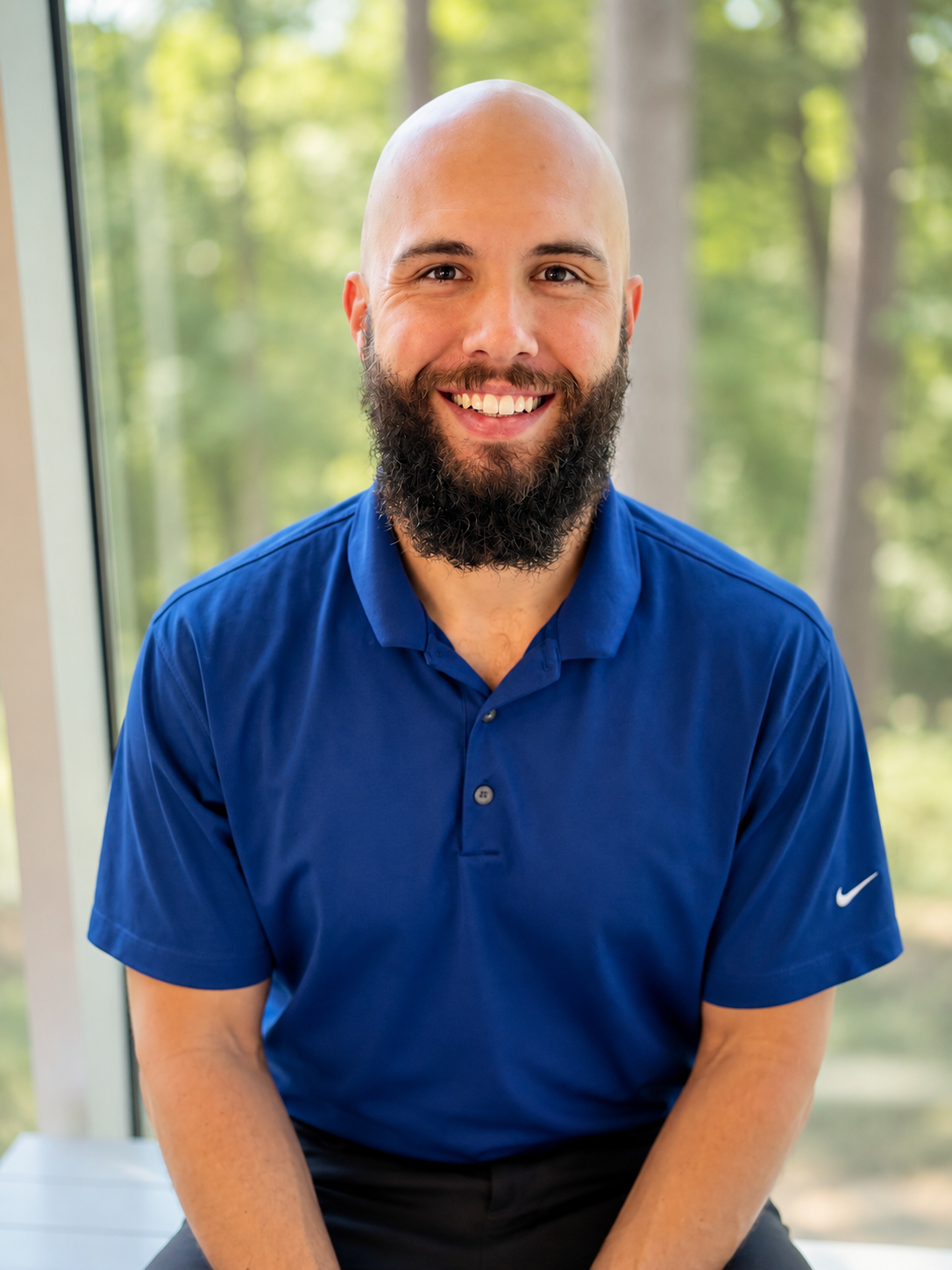
Your Physical Therapist
Brendan Bradley is a Memphis, Tennessee native and a dedicated physical therapist passionate about helping people move better, recover fully, and live active lives. He earned his Doctor of Physical Therapy degree from The University of Tennessee Health Science Center and has pursued extensive post-graduate training to provide evidence-based, individualized care for his patients.
Brendan is a Fellow of the American Academy of Orthopedic Manual Physical Therapists and has advanced training in running gait analysis, vestibular and concussion rehabilitation, dry needling, musculoskeletal ultrasound, headache and TMJ management, strength and conditioning, and bike fit evaluations. His approach combines clinical expertise with a strong understanding of movement, performance, and long-term wellness.
Outside the clinic, Brendan enjoys cycling, running, weight lifting, basketball, and golf — experiences that help shape his passion for helping others stay active and confident in their bodies. As a faith-based provider, he is deeply motivated by serving others with compassion, integrity, and encouragement in every aspect of patient care.
Brendan is happily married and grateful for the opportunity to support and care for the Memphis community he calls home.
My Philosophy
A comprehensive evaluation is the foundation of effective care. My goal is to understand what may be limiting your progress—not only where you feel pain, but also the movement limitations, activity demands, and training factors that may be contributing to it.
When appropriate, I use objective measures and musculoskeletal ultrasound imaging to better evaluate the involved tissues and monitor progress over time. I also assess how your body moves as a whole, looking for mobility or movement limitations that may be affecting how you run, lift, cycle, work, or move through daily life.
From there, we build an individualized plan around your goals. That may include targeted hands-on treatment, mobility and strength work, exercise progression, and practical adjustments to training or daily activity. The goal is not simply short-term relief, but a clear path toward moving with more confidence, building capacity, and returning to the activities that matter to you.
Throughout the process, we revisit objective measures, movement, and—when useful—imaging to make sure the plan is working and adjust it as you progress.