

Performance Physical Therapy
Performance is about doing what you love without limitation. That may mean returning to running, lifting, cycling, or any sport—sometimes even setting a personal record. It may also mean being able to work, travel, sleep, take care of your children, and get through daily life without pain or restriction.
Our goal is to help you move, perform, and live at your highest level—whatever that looks like for you.
We specialize in identifying the root causes of movement limitations and pain using a comprehensive evaluation that may include movement assessment — including running gait analysis, cycling analysis, and strength training movement analysis — and when appropriate, musculoskeletal ultrasound imaging. We also consider how your current training, work, and daily habits may be contributing to your symptoms.
From there, we build an individualized plan that may include hands-on treatment, mobility and strength training, rehabilitative ultrasound imaging, load management strategies, and progressive return-to-activity progressions. The goal is not only to reduce pain, but to build capacity, improve resilience, and help you move and perform better in your daily life or sport.
Headache/Migraine, TMJ, and Neck Pain Management
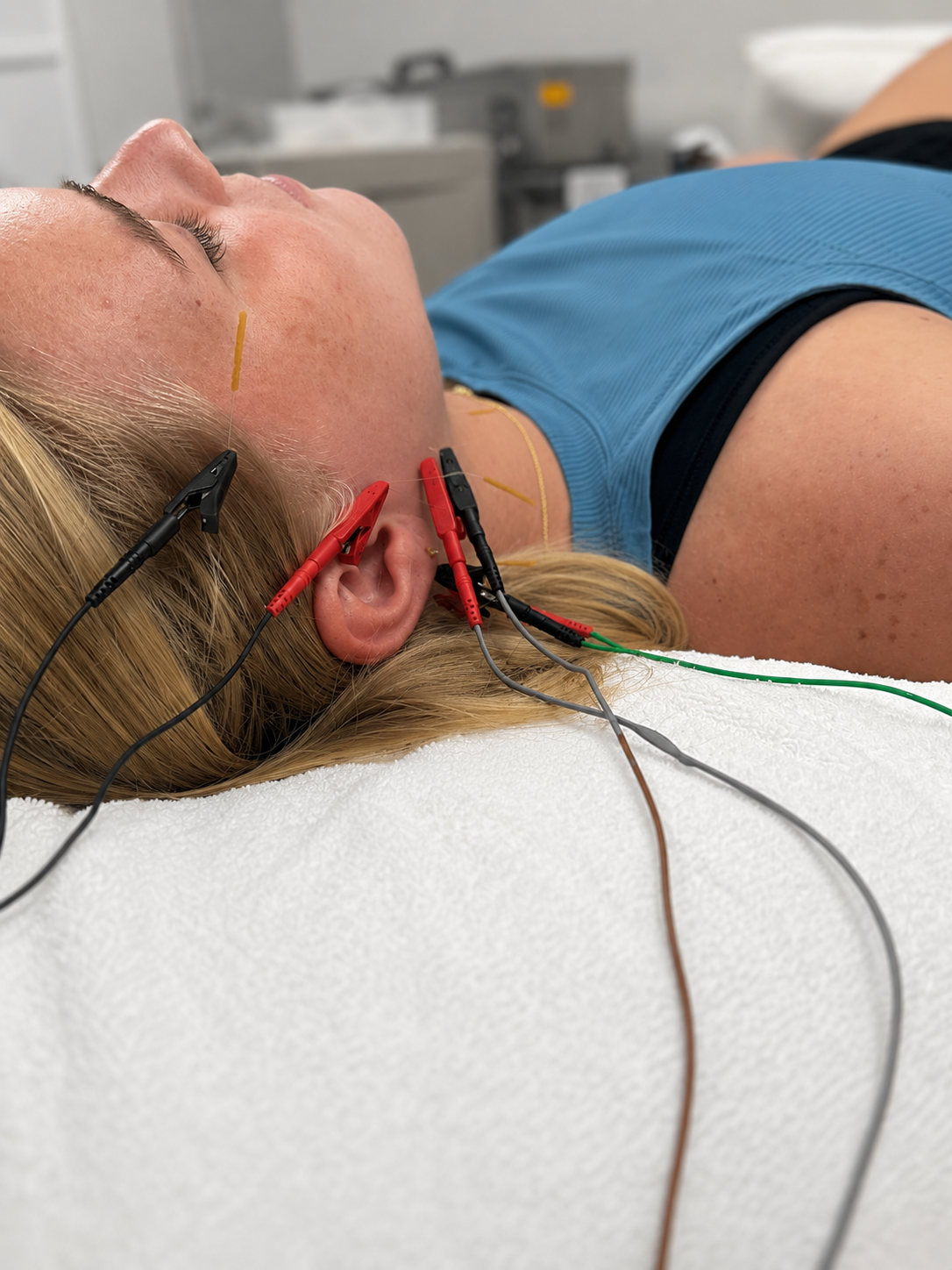
Headaches, migraines, TMJ pain, and neck pain can be some of the most frustrating and persistent conditions to manage. If you are dealing with one—or several—of these issues, chances are they have been affecting your quality of life for quite some time. We begin with a comprehensive evaluation to identify the factors contributing to your symptoms and develop a treatment plan tailored to your needs. Treatment may include targeted interventions, including ultrasound-guided dry needling when appropriate, alongside mobility and strengthening exercises designed to reduce symptoms, improve function, and help prevent recurrence.
Recovery & Mobility Sessions
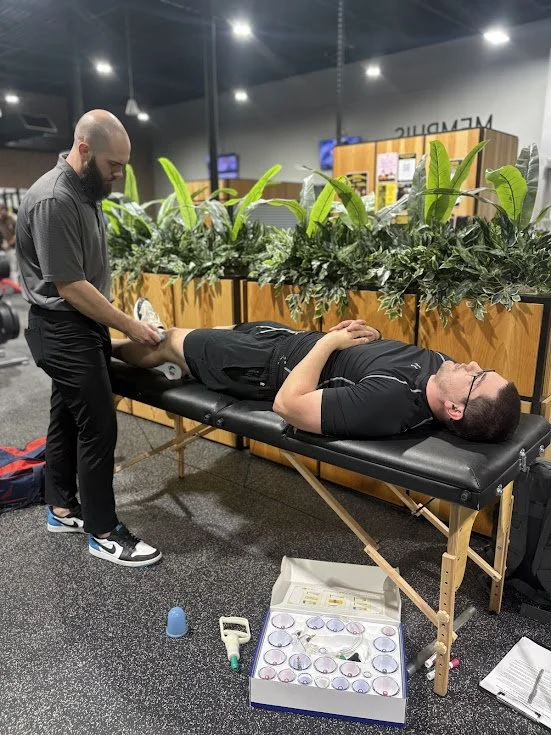
You do not have to be in pain to benefit from physical therapy. Whether you want to move better, improve performance, recover from hard training sessions, or stay ahead of potential injuries, our Recovery & Mobility Sessions are designed to help you perform at your best. We begin with a comprehensive mobility assessment to identify movement limitations that may be affecting performance or increasing injury risk. From there, we address those limitations through targeted mobility work and hands-on treatments, including soft tissue therapy, joint mobilization/manipulation, cupping, body tempering, and IASTM.
Running & Gait Analysis
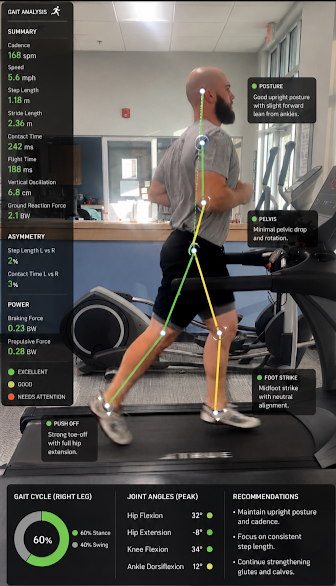
Whether your goal is to run faster, run farther, or simply run without pain, understanding how you move can provide valuable insight. Through detailed gait analysis, we evaluate your running mechanics, identify factors that may be contributing to pain or limiting performance, and develop a plan tailored to your goals. This may include running drills, strength training, mobility work, and technique modifications designed to improve efficiency, reduce injury risk, and keep you running consistently.
Cycling should feel efficient, powerful, and sustainable—without pain or unnecessary strain. Our cycling analysis and bike fitting process is designed to optimize the relationship between you and your bike so you can ride with better comfort, efficiency, and performance.
We assess your cycling form and bike position together as one system. This includes how your body moves on the bike, how you generate force through the pedals, and how your mobility, strength, and control influence your riding mechanics. When appropriate, we also use video-based cycling analysis and clinical movement assessment to better understand the factors contributing to discomfort or limiting performance.
From there, we make individualized adjustments to improve posture, optimize loading through the hips, knees, and spine, and refine cycling form so you can ride longer, stronger, and with fewer limitations.
Bike Fitting and Cycling Analysis
Diagnostic Musculoskeletal Ultrasound Imaging
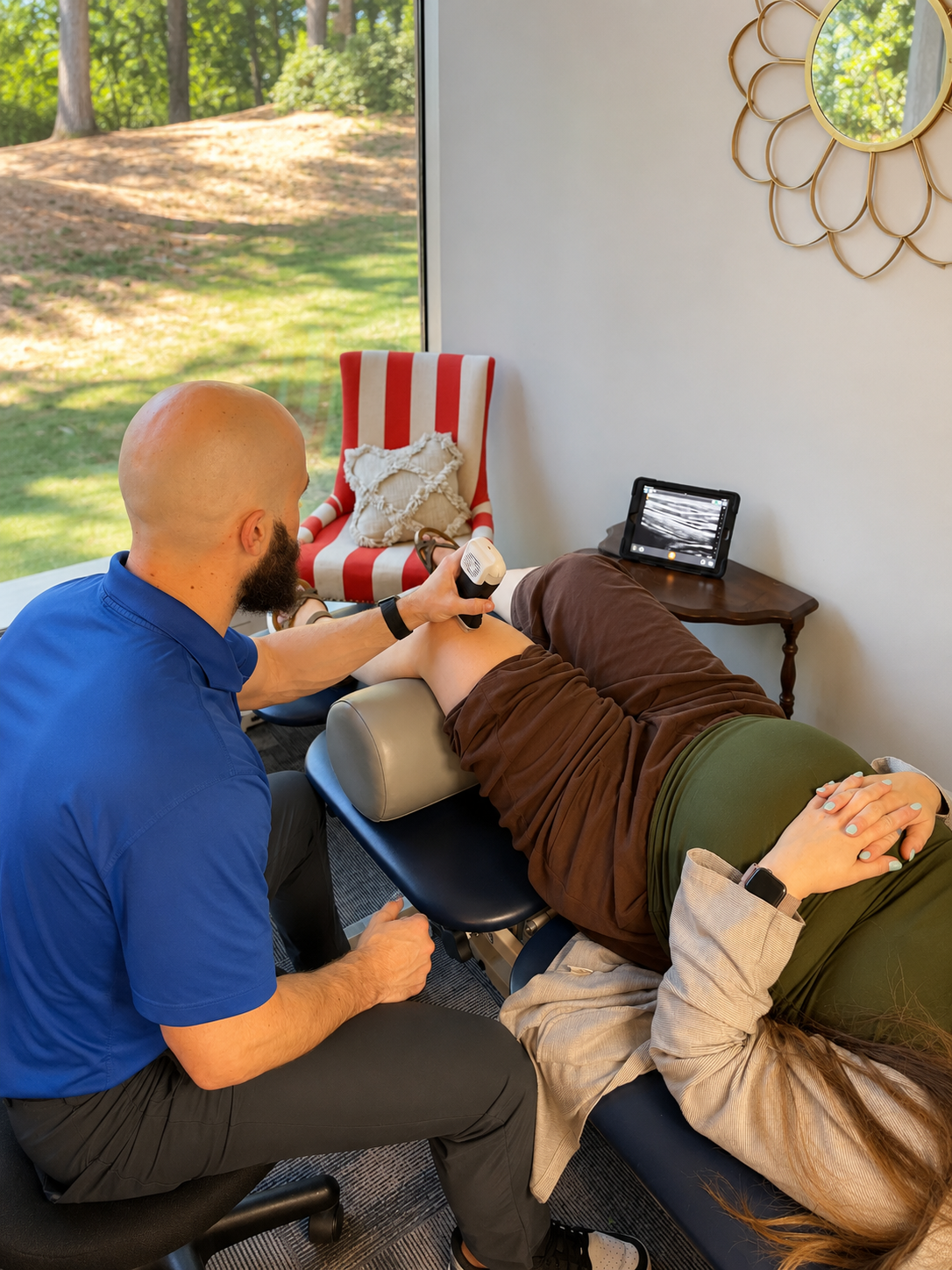
A thorough physical examination remains the foundation of our assessment process, but sometimes it is helpful to see what is happening beneath the surface. Diagnostic musculoskeletal ultrasound imaging allows us to visualize muscles, tendons, ligaments, nerves, and other soft tissues in real time while you move. This provides valuable information that can help guide both diagnosis and treatment decisions. Ultrasound imaging also allows us to deliver certain interventions with greater precision, including ultrasound-guided dry needling and rehabilitative ultrasound imaging. By combining clinical expertise with real-time imaging, we can better understand how your body moves and create a more targeted rehabilitation plan.
Specialty Manual Therapies
Ultrasound-Guided Dry Needling
Dry needling uses thin acupuncture needles to target specific muscles and soft tissues. When appropriate, ultrasound guidance allows us to visualize the area in real time and deliver treatment with added precision.
Instrument-Assisted Soft Tissue Mobilization (IASTM)
A tool-assisted treatment approach used to address soft-tissue sensitivity or restriction and support improved movement.
Body Tempering
A weighted soft-tissue technique often used by strength and endurance athletes to support mobility, recovery, and tolerance to training.
Joint Mobilization & Manipulation
Hands-on techniques used to address joint stiffness, improve mobility, and reduce pain when joint restrictions may be contributing to your symptoms.
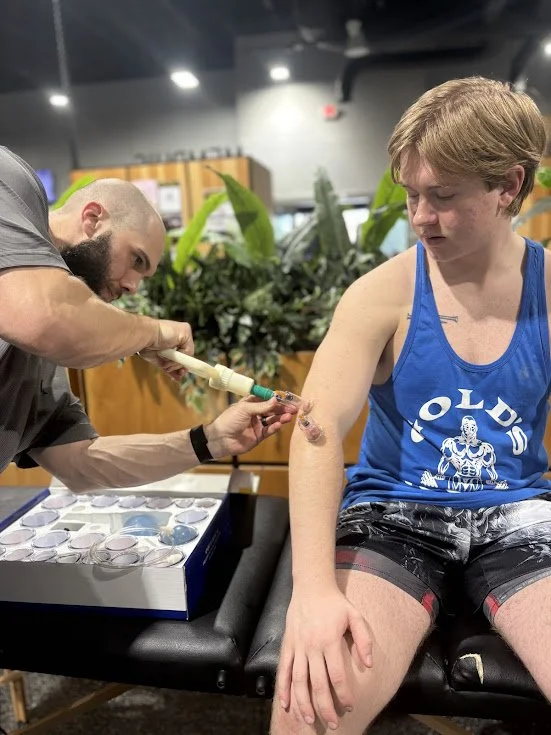
Cupping Therapy
A technique that uses suction to influence soft-tissue mobility and sensitivity. It may be incorporated to support movement, recovery, and symptom relief.
Voodoo Floss
A compression-band technique that may be used around a joint or muscle to support short-term improvements in mobility, comfort, and movement before exercise or activity.
Manual therapy can be a helpful part of a comprehensive treatment plan when used alongside movement, exercise, and appropriate activity progression. Depending on your goals and presentation, we may use targeted hands-on techniques to reduce pain, improve mobility, and help you move more comfortably.